Transmission Repair in Louisville, KY
When a transmission starts slipping or shifting hard, most drivers assume the worst. LouCity Automotive Services handles transmission repair in Louisville, KY, and not every problem means a new transmission. Some issues come down to low fluid, a faulty solenoid, or a leaking seal. Others do call for a full replacement. Either way, the first step is finding out which one you're dealing with. Our shop is at 4412 Atlas Powder Rd.
How Long Does a Transmission Replacement Take?
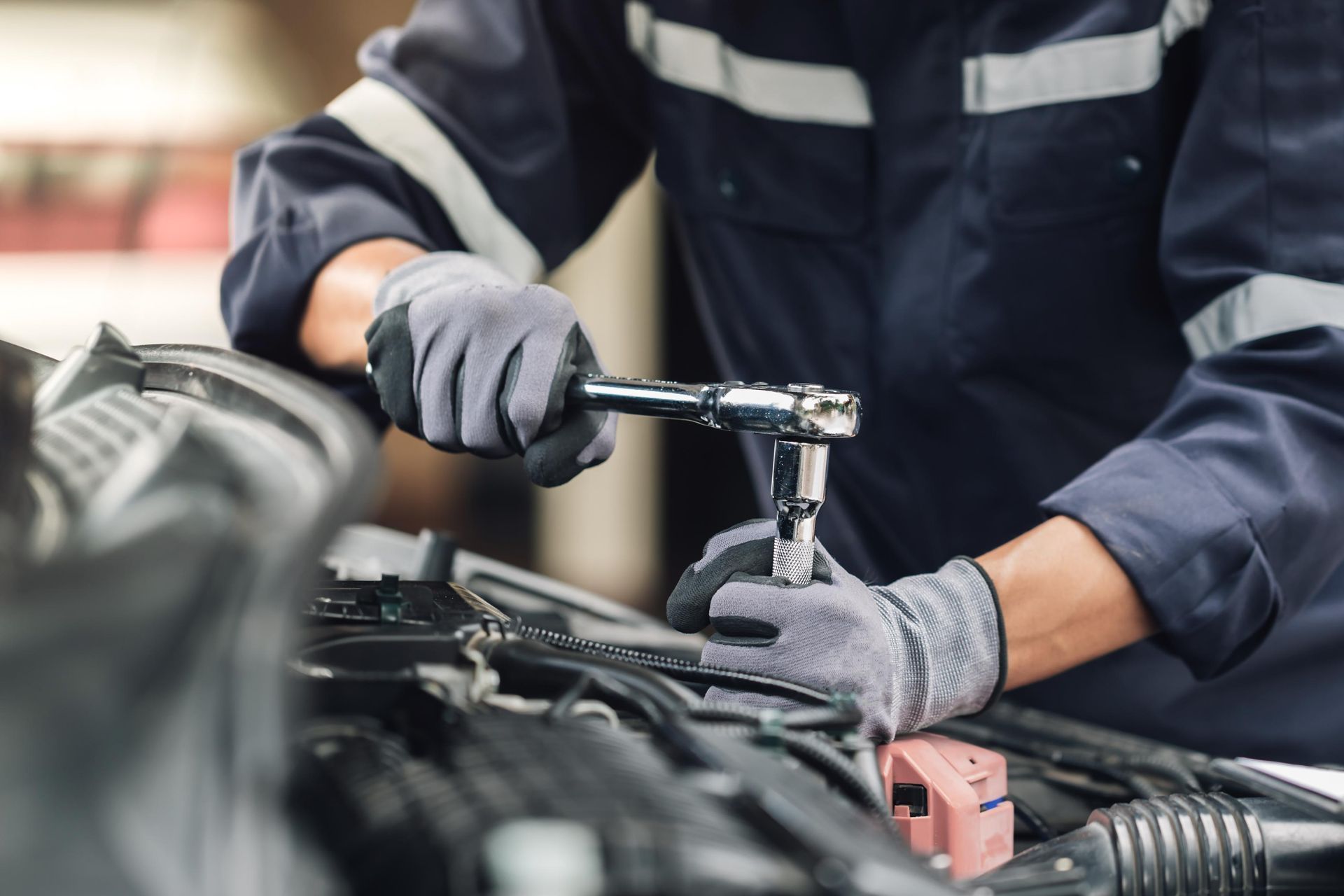
A transmission replacement usually takes 4 to 10 hours of labor. Rear-wheel-drive trucks tend to be on the quicker side, since the transmission sits under the vehicle with fairly open access. Front-wheel-drive cars use a transaxle packed in beside the engine, and removing it often means taking apart suspension and other components first.
Parts can add time as well. A replacement unit for a common vehicle may be easy to get, while one for a less common model may take longer to arrive. Once it's installed, the transmission is filled, checked for leaks, and road tested.
Common Transmission Problems
Slipping is one of the most common complaints. You press the gas, the engine revs up, but the vehicle doesn't speed up to match. It may feel like the transmission briefly lost its grip on the gear. Delayed engagement is another. When you shift from park into drive or reverse, the vehicle should engage within a second or so. A pause of two or three seconds, followed by a clunk, points to low pressure inside the transmission.
Fluid tells its own story. Healthy automatic transmission fluid is usually red and smells mild. Dark brown fluid with a burnt smell means it's been overheating. Red puddles under the middle or front of the vehicle mean a leak, and a transmission that runs low on fluid wears quickly. A shudder around 30 to 45 miles per hour, like driving over rumble strips, often comes from the torque converter. A check engine light with transmission codes can point to solenoids or sensors.
Transmission Repair Options
Not every transmission problem is handled the same way. The fix depends on what testing finds.
Transmission Service and Fluid
Transmission service replaces old fluid and, on many vehicles, the filter. Some manufacturers call for it every 30,000 to 60,000 miles. Others label the fluid lifetime, though vehicles that tow or sit in heavy traffic often benefit from a change anyway. Fresh fluid won't repair worn parts, but it's the best protection a healthy transmission can get.
Repairs Without Removing the Transmission
Several common transmission problems are fixable with the unit still in the vehicle. Leaking pan gaskets and cooler lines can be replaced. On many automatics, shift solenoids are reachable once the pan comes off. Sensors and wiring faults can cause harsh or erratic shifting, and those are repaired in place as well.
Transmission Replacement
When the internal clutches, bands, or gears are worn or damaged, transmission replacement is usually the practical choice. Replacement units come remanufactured, rebuilt, or used, at different prices. The transmission cooler and lines are flushed during installation so debris from the old unit doesn't contaminate the new one.
Protecting Your Transmission
Heat is the main enemy of an automatic transmission. Towing, hauling, and long climbs all push fluid temperatures up. If you tow, use your truck's tow or haul mode, and keep the fluid on a regular change schedule.
At LouCity Automotive Services, transmission work is part of the same shop that handles the rest of your drivetrain. Trucks that tow heavy loads often need attention in more than one place, and we cover
diesel truck repair too. If your engine is also showing problems, our
engine repair work lets you see the condition of both before making a big decision.
Louisville, KY Transmission Repair on Atlas Powder Rd
The shop is at 4412 Atlas Powder Rd, Louisville, KY 40258. If your transmission is slipping badly or won't go into gear, driving it can turn a repair into a replacement. Call first and tell us what you're feeling, hearing, or seeing under the vehicle.
Transmission FAQ
Should I repair or replace my transmission?
It depends on what failed. A leak, a bad solenoid, or a sensor fault is usually a repair. Worn internal clutches or broken gears generally mean replacement, since rebuilding them can cost close to as much as a remanufactured unit.
Can I drive with a slipping transmission?
Only briefly, and only if you must. Each slip creates heat and friction that wear the clutches further. Continued driving can turn a repairable problem into a full failure, sometimes leaving you stuck where the transmission finally gives out.
How do I check my transmission fluid?
On vehicles with a dipstick, most automatics are checked with the engine running, warm, and in park on level ground. The fluid should sit within the marked range and look red or pink. Many newer vehicles have no dipstick and need a lift to check the level.
Do CVT transmissions have different problems?
Yes. A continuously variable transmission uses a belt or chain between pulleys instead of fixed gears. Common symptoms include a whining noise, a shudder from a stop, and a feeling of the engine revving without matching speed. CVTs also require their own specific fluid.
What does a manual transmission clutch problem feel like?
A slipping clutch lets the engine rev while the vehicle barely speeds up, especially in higher gears. A clutch that grabs only at the very top of the pedal's travel is near the end. Grinding when shifting can point to the clutch or worn synchronizers.
Talk to Us About Your Transmission
A shift that feels off is worth checking before it gets worse. Call (502) 819-1620 or email timdurham2009@hotmail.com with your vehicle's year, make, mileage, and what you've noticed.