
Diesel Truck Repair in Louisville, KY
Plenty of repair shops stick to gas engines and send diesel owners somewhere else. LouCity Automotive Services offers diesel truck repair in Louisville, KY alongside our work on gas cars and trucks. If your diesel is hard to start, down on power, or throwing a warning light, bring it to our shop at 4412 Atlas Powder Rd. We'll look at what's going on and talk through the fix with you.
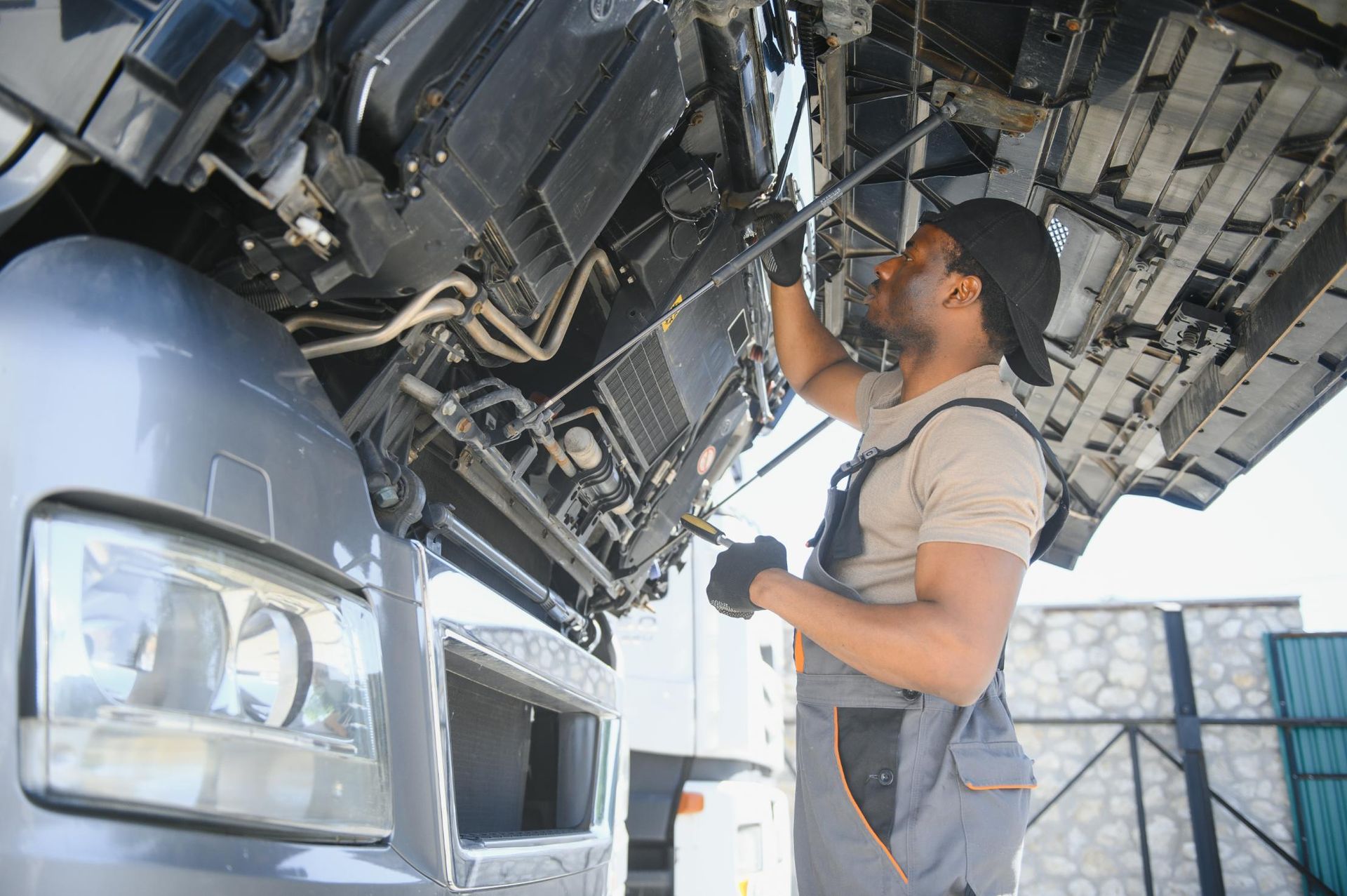
Can a General Auto Shop Work on Diesel Trucks?
Yes. At LouCity Automotive Services, diesel trucks are part of the regular workload, not a special exception. That said, not every shop takes them. Diesels use a different fuel system, a different way of igniting fuel, and on newer models, emissions equipment that gas vehicles don't have.
So it's worth asking before you drop off a diesel anywhere. Here, the answer is yes, and that means your truck and your family's gas vehicles can go to the same place.
How Diesel Trucks Differ From Gas Vehicles
A gas engine uses spark plugs to light the fuel. A diesel has no spark plugs at all. It squeezes air so hard that the air gets hot enough to ignite the fuel the moment it's injected. That high compression is why diesels make so much torque and why they're built heavier.
Those differences change the maintenance. Diesel engines in light-duty pickups often hold 10 to 15 quarts of oil, compared with 5 or 6 in a typical car. They rely on glow plugs to help them start in cold weather. Since about 2007, most also carry a particulate filter, and many from 2010 on use diesel exhaust fluid as well.
Diesel Truck Maintenance
Regular diesel truck maintenance prevents most of the expensive problems these engines can develop.
Oil and Filters
Diesel combustion produces more soot than gas engines, and that soot ends up in the oil. Diesel-rated oil is built to hold it in suspension until the next change. Using the correct oil and changing it on schedule protects the turbocharger and injectors as well as the engine itself.
Fuel Filters and Water Separators
Diesel fuel can carry water, and water is hard on a high-pressure fuel system. Most diesels have a water separator that needs draining and fuel filters that need replacing at set intervals. Skipping them risks damage to the injectors, which are among the costliest parts on the engine.
Emissions Fluids and Filters
If your truck uses diesel exhaust fluid, keep the tank topped off. Running it dry can put the truck into a reduced-power mode. The particulate filter cleans itself during highway driving, but trucks that only make short trips may not get hot enough, and the filter can clog.
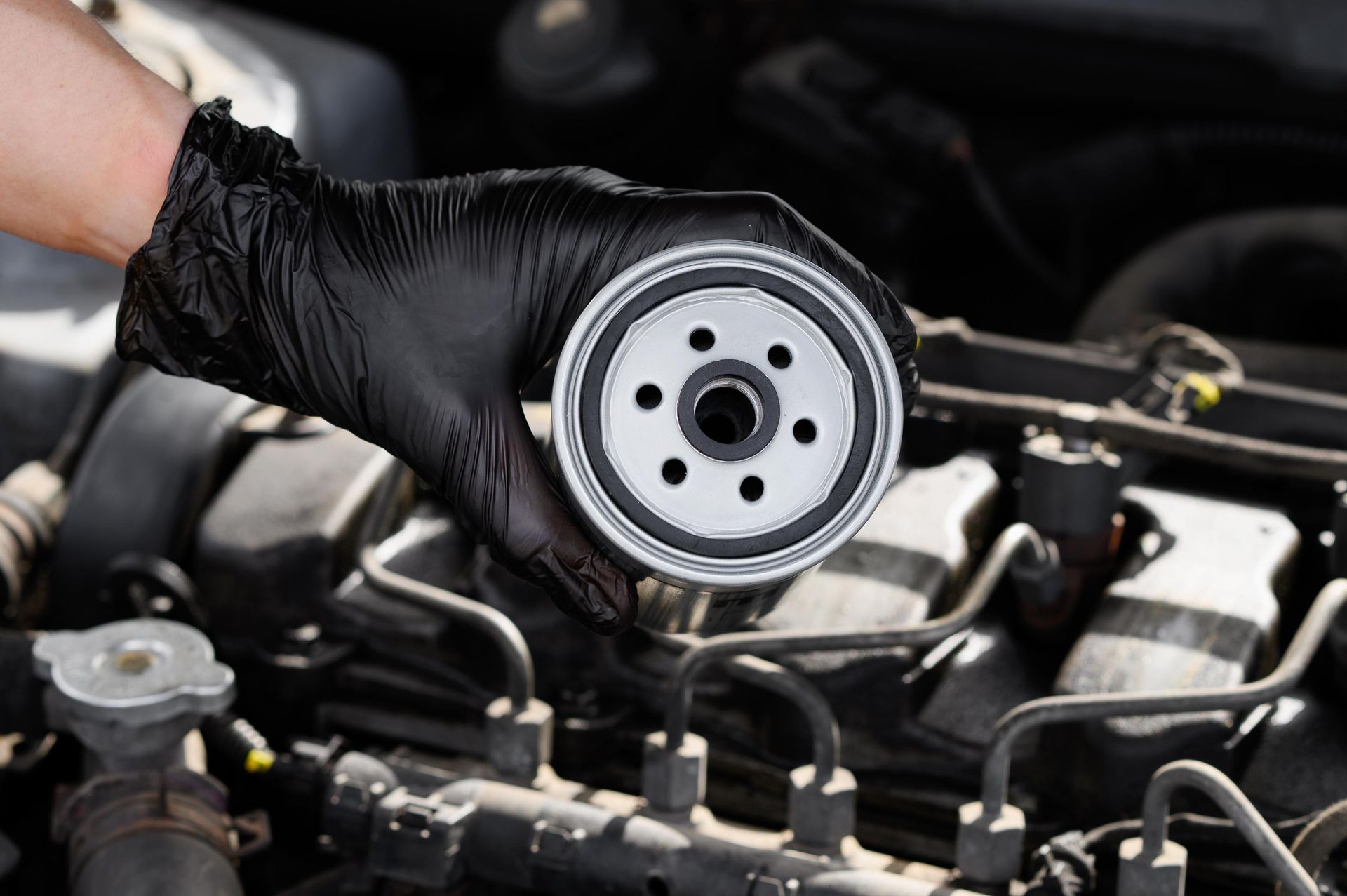
Signs Your Diesel Needs Attention
Exhaust smoke tells you a lot. Black smoke usually means too much fuel or not enough air, which can come from a clogged air filter or an injector problem. White smoke on a cold start can point to glow plugs, while persistent white smoke may mean coolant is getting where it shouldn't. Blue smoke means oil is burning.
Other warning signs include hard starting in cold weather, a sudden drop in power, and a truck that goes into limp mode with a warning light on the dash.
A Shop That Takes Diesels Seriously
Owning a diesel shouldn't mean hunting for a specialist every time something goes wrong. At LouCity Automotive Services, the same shop handles your truck's engine work and the systems around it. Heavy trucks wear brakes faster, and towing takes a toll on brakes and drivetrains alike. We also handle
brake repair and replacement
and
transmission repair for trucks that tow or haul.
Diesel Truck Repair Help in Louisville, KY
The shop is at 4412 Atlas Powder Rd, Louisville, KY 40258. Louisville winters bring cold mornings that test glow plugs and fuel systems, so fall is a good time for a check. If your truck won't start or is in limp mode, call before driving it in.
Diesel Truck FAQ
Why is my diesel hard to start in cold weather?
Cold air makes it harder for compression alone to heat the air enough to ignite the fuel. Glow plugs or an intake heater warm the cylinders first. If one or more glow plugs fail, starting gets slow or rough below about 40 degrees.
What causes diesel fuel to gel?
Standard No. 2 diesel contains paraffin wax that starts to thicken as temperatures drop toward 10 to 15 degrees. The wax clogs the fuel filter and starves the engine. Winter-blend fuel or an anti-gel additive helps prevent it.
What is limp mode on a diesel truck?
Limp mode is a protective state where the engine computer cuts power to prevent damage. Common triggers include a clogged particulate filter, a diesel exhaust fluid problem, or a sensor fault. The truck stays drivable at low speed, but the cause needs diagnosis
How often should diesel fuel filters be changed?
Many light-duty diesel trucks call for fuel filter changes every 10,000 to 15,000 miles, though some go longer. Your owner's manual lists the exact interval. Trucks that see dusty conditions or questionable fuel may need them sooner.
Can I skip diesel exhaust fluid?
No. On trucks built to use it, the engine computer monitors the fluid level and quality. If the tank runs empty, most trucks limit speed or refuse to restart until you refill it.
Keep Your Diesel Working
If your truck is smoking, slow to start, or showing a warning light, call (502) 819-1620 or email timdurham2009@hotmail.com. Include the year, make, and engine when you reach out.